

It is time for another TAKEOVER of HopeForFilm!
This is my first post in like 3 months or something as I’ve been mad busy making things. Might as well work the creeks out of my bones with a TakeOver post on Hope for Film, right?
Before I get down to business: FilmStack and NonDē. Good god man. You guys have been busy. When I dropped off, this was a space where y’all talked about movies and were developing a collective real time philosophy. Now I’m coming back and you guys are a full fledged movement. There’s so much great thought and criticism, so many fascinating industry analyses and ideas, and holy sh*t there’s a straight up insurrection happening called NonDē50 in which you psychopaths are making over 50 films this year. This is amazing. This is legendary. This is such an inspiring and amazing place to be and I’m positively stoked to be diving back onto the ‘stack which is the ONLY place something like this could have happened in 2026.
Anyway, enough about how cool you all are, let me tell you who I am — Sean King O’Grady — a filmmaker my entire life. I write the On Death Ground newsletter which is something between an autobiographical story thread and an embarrassingly unfiltered filmmaking advice column, I guess, and I write the Agoric Media newsletter which right now is basically just the show notes for the podcasts my direct to audience studio is creating, but will soon be evolving into something better. Much, much better. This TakeOver is essentially written in the style of the On Death Ground newsletter, but as a list. Because I’ve heard rumor Ted Hope loves those.
I live in Michigan and talk about my wife and three kids a lot. I also hype Detroit every chance I get. I’ve produced about a dozen movies, all of which have had either theatrical or major streaming distribution, five of which have screened at Sundance, others at Tribeca, SXSW, TIFF, Fantastic Fest, and a bunch of awesome international and regional US festivals, and I also created and EP’d a Netflix series. I’ve built and sold media companies, and currently I’m having a blast making podcasts in addition to movies — it’s been a fun and wild last 15ish years making things I’ve mostly loved. More on this ‘mostly’ in a bit.
If you’ve seen any of the work I’ve had a hand in, it’s probably been THE ASSISTANT, IN A WORLD…, DINNER IN AMERICA, I LOVE MY DAD, or more recently MR. CROCKET. But I produce make (and LOVE) documentaries and I direct narrative films, documentaries, and commercials. Come to think of it, if you’ve see my work it’s probably been a LinkedIn ad served to you over the past couple years while you looked for jobs in whatever unrelated field you got your degree in to escape this dying industry and finally have your parents and siblings respect your life choices.
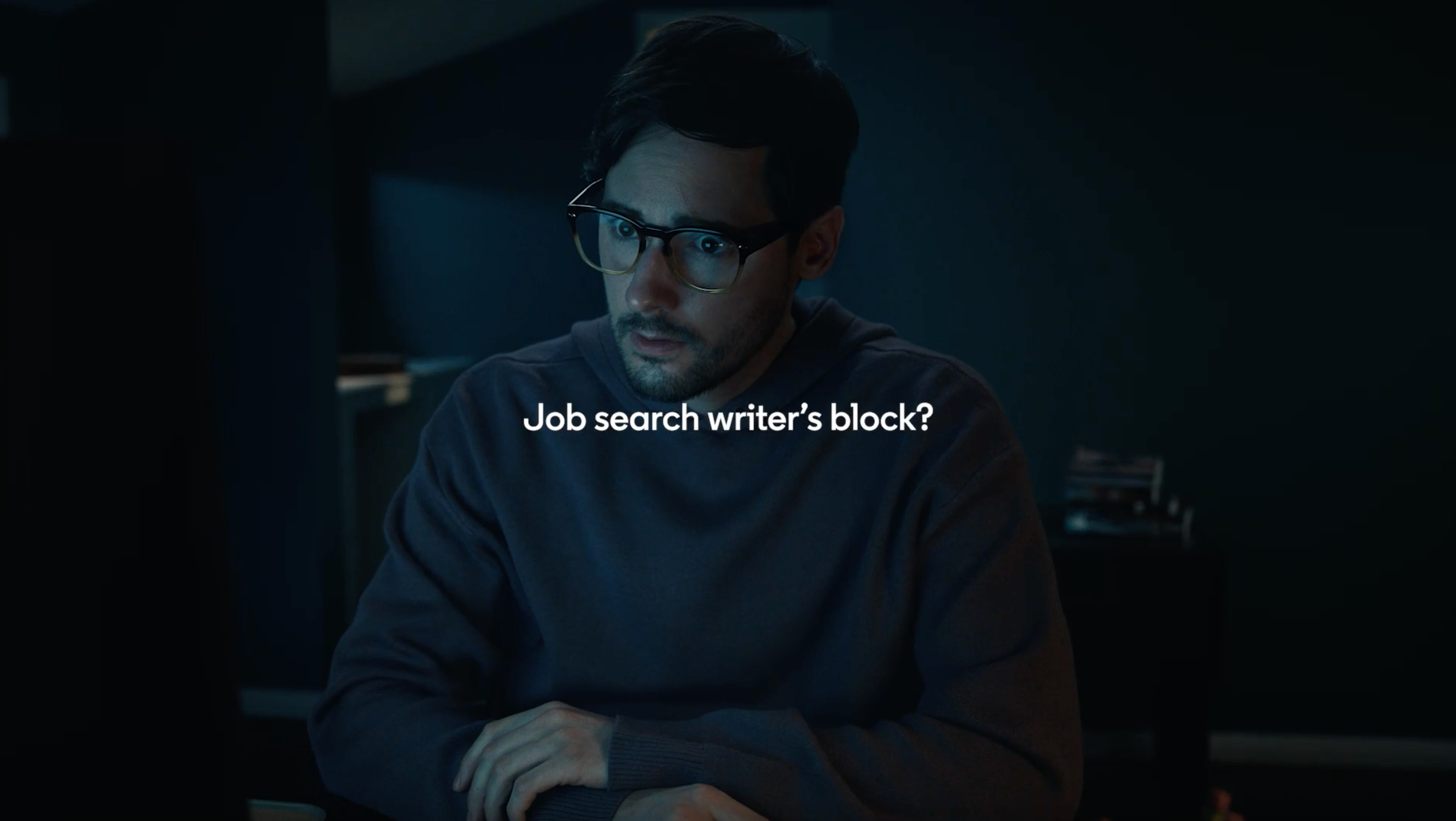
Sorry about that.
I half joke when I say this industry is dying, and that’s of course because it’s already dead. It’s been dead. Like dead dead dead dead dead dead. Limp, grey, and decaying and gross and half worm eaten dead.
A worm named Netflix. I half kid again. It’s actually named Disney. I mean Amazon Prime. Oops, wait, I meant to say whatever HBO Max is called until David Ellison buys it. Ok, I think I’ve now officially bitten every hand that feeds me. Cool. Good thing there’s still Letterboxd Video Store with their ‘interesting’ pricing, and Vimeo… for at least a few more weeks. Welp, bit those hands too.
But isn’t that the point? We don’t need anyone to feed us if we can feed ourselves.
(Quick side note: if I’m being serious, I don’t necessarily blame these streaming services for eating Hollywood alive, and destroying independent film in the process. I haven’t researched it enough to have an informed opinion. And even if I did, there’s nothing I could do about it. So I prefer to focus my energy on addressing the world where it is, making change and taking action where I can, and trying really hard not to care about who buys Warner Bros. because it effects me so minimally)
ANYWAY. My career has been pretty weird. I started in 2008 when the economy was crashing and Hollywood was striking. And I thought that was normal. Like truly I thought it was just impossible to get anything made. Why would anyone ever give me millions of dollars to tell a story? But first let me back up a bit.
I moved to LA from Michigan to make my way in Hollywood and straight away ended up working for a bonafide real life con artist who had this stunningly brilliant business model — he raised just enough money to always be in development but never enough to actually make anything. This way he could never really fail and his investors wouldn’t bail on him. He took actors to dinner with wealthy arts patrons, paid an assistant (me) and himself (a lot more) to basically just lie professionally. This was the best crash course on working in the film industry I could have possibly received.
I knew one person working in the film business at the time (and one other person in all of LA - shout out my friend whose couch I crashed on!), and I called her actually in tears because my grandmother died and this sociopath “boss” wouldn’t let me go home for the funeral under the threat of being fired. Due to this insanity, I was ready to hang up my film spurs (huh?) and move back to Michigan just 6 months into my grand Tinseltown adventure. But this person, a family friend named Sarah, convinced me to stay. Her boyfriend at the time (writer/director Adam Carter Rehmeier, with whom I would go on to make a ton of stuff including his incredible film DINNER IN AMERICA - dude is on a cinematic murder spree right now, by the way) was about to start working on two back to back movies being made by the Polish Brothers, legit indie film legends who made movies like TWIN FALLS IDAHO and NORTHFORK, and he thought they might need another Production Assistant.
So anyway. I stay. And regrettably miss my grandmother’s funeral. Yep. I did that. (by the way, I switch tenses a lot, just deal with it)
Total turd “boss” owes me money and tells me to meet him at Johnny Rockets at the Grove (seriously) to get my check. So I meet him there. At this lunch, sitting across from this toolbag I get a call on my BlackBerry (!!) from a number I don’t recognize. No idea why I do this, but I hold up my hand in the “one second” motion, answer the phone and lo and behold it’s the production office from this movie. They tell me they have an opening for a production assistant because someone called in sick (sorry about your food poisoning, sir — god… I wonder what happened to that guy? do I have his career? his life?? does he have mine???), but I have to be to Santa Clarita in an hour to get the gig. I say “yes”, dramatically slide the check my boss just gave me back across the table despite being hilariously broke at the time, and say “I gotta go”.
I’ll wrap this up and get to the list soon. Don’t worry, Ted. (True story, Ted sends this best practices guide to people doing these takeovers and I’m breaking like literally every guideline here… but there is a list, I swear, eventually there’s a list)
So I drive to Santa Clarita, get the job, and start working on this insanely cool movie being shot all in 7 shades of brown (really) in Wizard of Oz style forced perspective on this sprawling western backlot with three sound stages. I go from lunch at Johnny Rockets running a legit scam for some dude, to hanging out in the cool desert night under the stars outside of a real life sound stage talking to Billy Bob Thornton about the infinite versions of us that populate the multiverse and may or may not have murdered people (true story) in the span of like 7 hours. The people I met on this movie would all play roles in my life for the next 15 years and some still do today. (I’m not naming the movie because after premiering at Sundance some gnarly stuff happened with it and I don’t want to promote gnarly stuff).
It was this wild ride at the tail end of the “Indie-wood” of old.
So what’s this mean to you and your life and career? I don’t really know. But I started writing the story and got a little carried away. So… yeah… let me make this relevant to subscribers to Hope for Film.
Lessons to pull from this yarn:
1. if you quit working for someone horrible, do it dramatically. And if you work for someone horrible, please quit. 2. Be cool to people you meet on sets (and everywhere else) and they could become your friend and collaborator for life, and you have no idea where those relationships and experience will take you next.
But yeah so what happens after this is crazy. You’re about to go on a journey across the evolution of this industry over the last decade and a half whether or not you wanted to. (by the way way, maybe I suffer from some kind of severe myopia that I just am realizing while writing this, but I have nothing of value to add to any conversations about this business that doesn’t come from my direct personal experience. interesting…)
And this is also the start of my list, which I’m calling:
HOW TO BUILD A FOOL PROOF LIFE IN FILM THAT ABSOLUTELY CANNOT AND WILL NOT FAIL
1. Make inexpensive films with the resources you have and give zero f*cks about what’s currently selling.
I mentioned the Polish Brothers were making those back to back films. Well, those are the guys I ended up becoming close with. They really took me under their wing(s) in a remarkable way. And after those movies I started working with them, first as their assistant, and then as a co-producer on a movie that ended up not getting made. They had some projects set up at studios, a bunch of things almost going, but nothing officially greenlit. So we decided to make something super scrappy. By all measures this movie was NonDe as f*********ck. (Using those asterisks as I’m not sure how Ted feels about cursing in his newsletter, plus my wife told me I curse too much when I write and it sounds like I lack imagination — and she’s definitely right, but you guys… I drink so much coffee seriously you have no idea what living in my brain is like sometimes F*CK I just have so much energy)
We knew we could make this movie for $100k. Which was a crazy small budget for those days. The Canon 5D mkii had just been released, and we could actually shoot a full frame HD feature out of backpacks. And of course because we were insane we decided to do this on planes, trains, automobiles, motorcycles, and boats all across France. That’s right. We made a $100k all-in movie in Europe, French New Wave via Silverlake.
To get the money, we literally just started calling people we knew who we thought had some extra cash. Lots of people were interested but no one was writing a check. That said, it felt inevitable, if we just made enough calls.
At the time I was in this epically long term on and off relationship with this total babe (I’m not objectifying her you’ll find out why this is ok in a few paragraphs) and I knew her dad pretty well, thought he had this kind of dough and knew he was entrepreneurial. So I did what any good boyfriend and bold visionary does: I asked my girlfriend to call her to call her dad and point blank ask him for $100,000 to make our film. Excuse me, sir? My name is Sean. I really like making out with your daughter. Can you also give me $100k?
Soooo she does. He calls me like five minutes later. He asks me some questions. I answer them. And he’s in. Two days after that, the money showed up in an account (when the wire arrived, I realized it was the most money I’d ever seen in one place in my life — and it was AWESOME), me and the Bros pinched ourselves, bought some gear, and tested it in Malibu. And it looked GOOD. It cut GOOD. It felt GREAT. We shot the movie in 2010 and it’s called FOR LOVERS ONLY.
This babe is now my wife and her dad is now my father in law. We have three kids together (the babe and I) and she’s extremely patient and kind and listens to me rant about this kind of stuff all day and I swear on my life just today she told a verifiable third party that these rants do not bore her. God, I’m lucky. All kidding aside, the fact that my wife and her dad financed the first movie I produced is and will always be extremely special to me, and the movie itself is special to me. For a lot of reasons.
While making the movie with a crew of 5, we slept in hostels, random houses, and free hotels donated by art loving and making hospitality and nightlife impresarios. We stole every single shot. We made a black and white romantic drama based on a beautiful script that Mark Polish wrote in a week while Michael Polish and I scouted locations in France and sent back photos. It was anarchy. The best kind.
Then we released the movie via what Ted prefers we call ‘filmmaker led distribution’, a term I very much dig, AND IT WORKED.
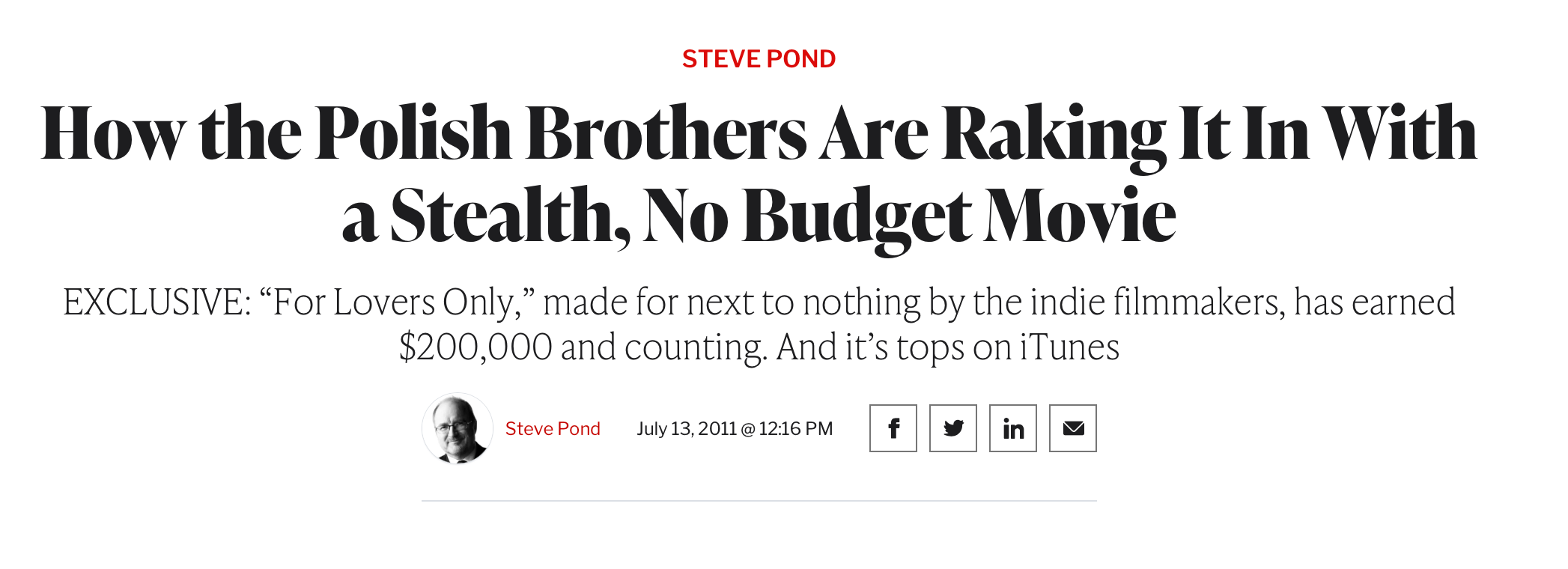
I love the movie, I loved the process, and I want(ed) to do exactly that nonstop for the rest of my life.
Except I didn’t...
Lessons: 1. Go make great art and be fearless. 2. Make things with your friends and your family and make what you love, not what you think sells. Trust me, the creative AND financial results will be better. YOU ARE ALIVE. YOU CAN MAKE SOMETHING TODAY. Make the one thing you’d make if you thought it was the only thing you’d ever make. Then do that again and again.
2. Make some mistakes and learn what you DON’T want to do.
Let’s jump forward in time together. After FOR LOVERS ONLY I produced an adaptation of Jack Kerouac’s BIG SUR with Michael Polish and Lake Bell’s IN A WORLD… which both premiered at Sundance in 2013. I made these with a company called 3311 Productions and Mark and Ross who run that company truly became my lifelong friends (you should be sensing a trend). I’m not talking about that here. Not right now anyway.
After THAT I started my own company (with a Canon 5D mkiii, two lights, some lavs, and an iMac) and began acquiring some material for movies and shooting pitch tapes for documentary series, which were selling at the time. Along the way I accidentally got a feature doc financed, then financing for a slate, then I sold a tv show and all while doing this built and amazing doc team. This was ten years ago and I still think about this team all the time. We were lean, mean, and having the time of our lives. Non-scripted tv was decently budgeted back then, and being made by pretty big teams. And my theory was that you could do a better job with a smaller team, by focusing on doing just one project at a time.
And it worked.
We got more financing from an awesome partner and a first look deal with a fantastic studio and everything was pretty great. We had an office, all the gear we could ever want, our own custom built theater to watch our stuff and where we partied every Friday. A bunch of us got married, had kids, our families were close to one another, it was a little purpose built community making doc work and having a blast. We were making a few passion project docs while doing some non-profit work and producing other people’s pilots and episodes of their shows. It was a wild model and cashflowed like crazy.
Until I personally fucked it all up. No time for asterisks here because the memory still hurts too much. Cursing necessary. Sorry, Crust (my wife) and Mom, who I noticed subscribes to my Substack but has never once mentioned it to me. Haha. (Mom, seriously — we need to talk about this)
At our peak, we received an offer to produce 40 episodes of tv at once. It was essentially true crime reality shows with recreations. And honestly from the time I quit on the Johnny Rockets d-bag until this point, everything had just kind of worked for me. Every situation kept getting better all the time both personally and professionally. I was on a years long winning streak, and those are VERY dangerous. I thought this was just more winning.
I didn’t watch this kind of show, but I straight up told the guy who graciously gave me these shows — many many millions of dollars in business — that I would make the best thing the network had ever seen. And the thing is, I believed it. Like 100% deep in my soul I believed it.
It was two series. And the one we kind of dug, and the other… not so much. But whatever, one for me, one for them. That’s what Scorsese said, right?
So we make the pilot for the show we dig and everyone loves it. But I know the other show is going to suck. Someone else must obviously love it because they are paying for it, but it’s not my thing. We are out of our depth, I try to hire people to fix it, but the problem is too deep. It simply wasn’t something I was able to do even moderately well but I was too arrogant and too uneducated on the material to know. (also not naming these shows because some of the people who worked on them presumably love them and are really proud of the hard effort they put into them)
I then get an offer to direct a documentary. We also sell a series I created. Both things I absolutely love. But in the back of my mind I’m stressed like crazy knowing this one show is dying, and by it dying, it’s bringing the other one down because we are using the same crew for both. And it’s impacting my ability to make the things I’m passionate about. In that moment, I felt like I’d built this beautiful castle that had now become my prison.
So yeah. The shows are brutal. I make a deal that costs me an insane amount of money, I hand the productions back to the producer who gave them to me to fix. And we move on with our lives.
But that cash cow I’d been milking moves along to another farm that isn’t run by a total idiot. My model breaks. And the film family I’ve built starts to fray.
A wild turn of events gets us back into features in the next bullet point on the list. But we all kind of go our separate ways. Everyone is doing great now, truly. We all talk. Some of us still do some work together some of the time, but nothing will ever be the same. All because I wanted to get rich and didn’t want to wait until the great work I knew I was capable paid off. In other words. I committed the cardinal sin of the arts: I sold out. And justly got burned.
But guess what I learned?
Lessons: 1. Don’t be an arrogant tool just because you did a few things right and got lucky. 2. Know what you DON’T want to do. Life is short, you do it once — being inauthentic will destroy your soul and the undefeatable demon you create by selling out will consume everything that’s good around you until all you have left is misery and regret.
Ok, moving on.
3. Chaos really is a ladder. Climb it.
This whole nightmare happened just before 2020… when another, different kind of nightmare would take hold. But not before the year started off the best it possibly could have. DINNER IN AMERICA premiered in competition at Sundance and THE ASSISTANT screened there too. It was awesome. The DINNER screening was one of the best I’ve ever been to. A few walkouts in the first ten minutes had me nervous for a second, if you’ve seen it you’ll know why — it starts off beautifully rude and gets more abrasive from there, but everyone who stayed until the end was floored.
Floored just like me and my entire family when we got home from Park City and we were so sick we literally couldn’t walk — not joking, at one point I was crawling to the bathroom thinking “so this is how otherwise healthy people from the flu”. Of course now we know Sundance 2020 was likely a COVID superspreader event, but at the time everyone just thought it was a particularly gnarly brand of the annual Sundance flu.
So as the high wore off and the collective worldwide fever set in, things got weird. Fortunately a documentary I co-directed (OUR AMERICAN FAMILY) was in post, and my investors were patient, so I was able to keep my now very lean crew paid while a lot of people suffered. I still appreciate my team for working through it and our business partners for sticking by us.
But it sucked! Everyone in the industry acted like everything would get back to normal. We were pitching, taking meetings, doing the things. But… nothing happened. It was the illusion of work. And I kind of started losing it. I thought about the mess I’d just dragged us all through. I thought about what I wanted out of my work life. I actually had a ton of fun with my family — does anyone else miss Covid lockdowns with their kids/friend bubbles just straight chilling and making SO MUCH FOOD? We do, Actually quite often. But yeah, aside from having a blast with my home life crew, work life was rough.
By this point I still owned all the gear and a small sound stage. I had everything necessary to make a movie. Except like, actors and a script and stuff like that.
But out of this global mess, after much internal reflection, one of my partners and I committed to making a narrative feature — the thing I got into this stupid business to do in the first place. In June 2020. Hahahaha. Ahhh to be so naive.
I started writing. And like a week in my partner Bill (and cousin/lifelong best friend) calls me and says he found a script we could shoot totally on our stage. I say send it. The next morning I start reading at like 6am and it shakes me to my core. I knew this was the thing I needed to make. And that would I direct it. This would be my first narrative feature as a director. The holy grail while all hell was breaking loose.
No one was doing anything!! No one. But we were going to. And we did. And it was B.A.N.A.N.A.S. bananas. The entire cast and crew lived in a hotel that shared a parking lot with my stage and we did horror movie summer camp and made a film called WE NEED TO DO SOMETHING in September - October 2020 and it premiered at Tribeca, the first in person festival back in action, in June 2021, then played a whole bunch of awesome European festivals before being released by IFC later that fall.
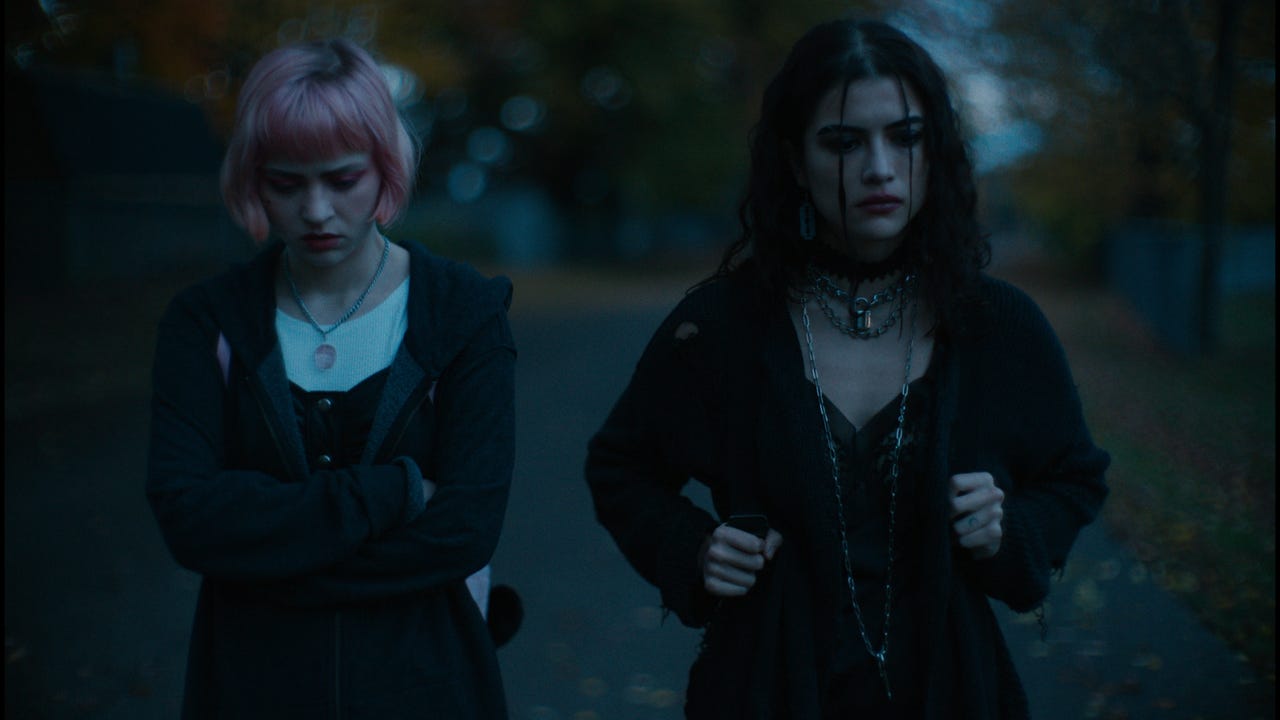
My investor was amazing and crazy enough to want to finance this movie mostly because no one else was making any movies, and this movie launched him and his daughter into a family business of financing and producing movies and turned me into a feature director.
Chaos for the win.
Lessons: 1. Just when things get truly horrible and you think they can’t ever be better, something greater than you could have imagined is probably right around the next corner. 2. Do things when no one else is doing them and the universe will reward you.
4. Trust your gut.
Ok, so you remember all those paragraphs back when I said I could have kept making films like FOR LOVERS ONLY forever? Well… after that first movie I directed. I did the exact opposite of this. I dove headfirst into the world of streaming originals, making two back to back Hulu movies. THE MILL and MR. CROCKET. And look, I dig these movies, a whole ton of people watched them, THE MILL generated the exact discourse about American work life on YouTube that I hoped it would everywhere, despite getting slammed by critics, and without Hulu and 20th Digital who greenlit them and produced them with us, they wouldn’t exist. For real, we tried to finance THE MILL independently but never raised more than half the budget. And 20th/Hulu stepped right up and made it exist.
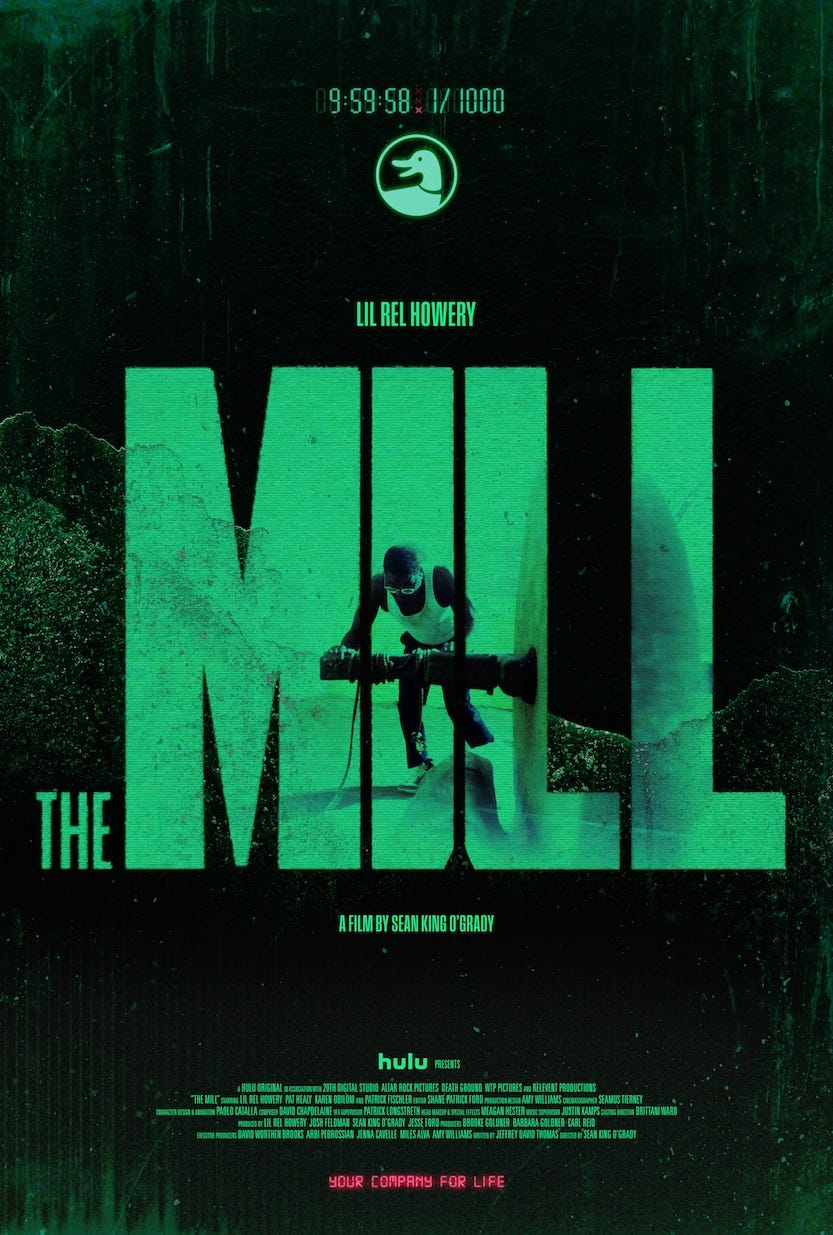
But… something about it always felt… off. Not the people. They were and are cool. And not the movies, I love them both. But the very idea of making something I developed and built from the ground up and would dedicate a full year of my life to as “work for hire” for a studio and streaming platform where I knew it was going to exist there until they purged for tax loss or whatever and then just not exist anymore… it felt wrong. And to be 100% honest, making multi-million dollar independent movies and selling them to distributors always felt wrong in its own way too. Oddly limiting. Exciting, for sure. But limiting. When you take on that much money, you have to make certain decisions you otherwise wouldn’t, due to the need to recoup that giant nut. Truly the only thing that ever felt right was the first movie I produced.
When we accidentally made and subsequently released FOR LOVERS ONLY in what we now call NonDe style, it felt SO right. It felt like the future, and weirdly it STILL feels like the future. But I was too caught up in the “indie film as farm club for studio or bigger indie movies” model and didn’t trust my gut. I took the path (with a few lucrative but ultimately soul crushing detours) that seemed like it was laid out before me instead of blazing my own trail even though I saw some clearance in the woods that COULD be my own way.
I was just too young and dumb to trust my gut. My instincts. My preeecccious… ah sorry. Obligatory LOTR reference and rule of thirds and whatever. This post is almost done and I’m tired so deal with it.
Lessons: 1. You know what feels right. And what feels wrong. FOLLOW YOUR GUT TO WHAT FEELS RIGHT. Even especially when it’s the harder choice. 2. Unless you own it and control it, you’re an employee and the fate of your art is out of your hands.
SPEAKING OF THE FUTURE.
5. Skate to where the puck is going.
Pretty sure I’m stealing that from Wayne Gretzky. But whatever. Good artists borrow, great artists steal. Stole that from Picasso. Or maybe Steve Jobs. Possibly both?
ANYWAYS. Why do I do this? God. Get it together, man.
While all of these lessons have been pulled from the film/indie/streaming industry proper, my future lessons will be learned, and hopefully passed on, in an industry that’s very very different. See, after over a decade of first making things and trying to sell them, then developing things and getting someone to buy them, I’m not playing that game anymore. And you shouldn’t either. Maybe the puck is still sorta kinda there a little. But not for long. Really wanted to keep this metaphor going but I’m out of steam. Sorry.
So here’s what’s happening. The industry is absolutely collapsing if not collapsed already. And we shouldn’t care. Not one bit. Because for the ambitious, the entrepreneurial, the adventurous, the patient — which you are if you are still reading this — the opportunity to tell stories on your own terms and making a living doing it has never been greater.
Direct to audience (I can’t stand the word consumer) art of ALL KINDS is the present and the future. In music, in video games, and certainly in film / video / audio storytelling. I’m intentionally branching this out and also making a confession. I’ll get there in a second so I can catch all of you who don’t know me up to speed.
For a few years me and an awesome team have been developing a documentary series called SUSPICIOUS MINDS, based on this incredible book called Suspicious Minds: How Culture Shapes Madness (The Truman Show Delusion and Other Strange Beliefs) by Joel Gold and Ian Gold. And finally at the tail end of 2024 we took the pitch to a few streamers. The pitches were GREAT. Super engaged executives. Incredible responses, lots of followup questions. All the right signals to get offers. And the offers like… kind of came? A few places passed, and a few said they’d buy it if we could make it true crime. And I’m not against true crime necessarily — I have a true crime project, but… this show definitively is not true crime. It’s about mental health. So we cancelled our last 4 pitches that were on the books to figure out what we should do. (PRO TIP: when pitching anything, line up the investors/distributors/streamers/whatever you DO NOT want to partner with first, and save your ideal partners for last so you have a few test pitches to work out the kinks)
And I felt bad. Like really bad about the whole thing. Angry. Cynical. Just f*cking bad. And you don’t want to hangout with grouchy me. It’s not fun. (Quick aside — my youngest daughter has this super fine tuned barometer for when I’m ramping up to grumpy and it’s the greatest thing ever. In one word “Daaaaaddddyy” said a very specific way, I realize I’m a full on adult responsible for 5 people’s lives on my way to a straight up toddler sized tantrum and it straightens me out immediately. Well, most of the time anyway. Nobody’s perfect.)
So instead of just being mad, I decided to do something about it. Instead of just re-engineering the pitch, I was going to figure out a way to make the thing outside of the system.
I toyed with making a feature doc for whatever funds I had available. But honestly that seemed irresponsible. Not even because I’d lose the money, but because I wasn’t sure it would find a home where it would get a decent release without me and my team doing all the distribution work ourselves anyway.
What could we do that would tell the story we loved while maintaining ownership? And do it in a way that no one could tell us no? One word. Two syllables. Pod-cast.
Yeah I know, people are weird about podcasts. Either obsessive and listen to them all day, or question their validity as an art form. In fact, when we were first releasing it, I was pretty self-conscious about this and almost exclusively referred to it as a docu-series. I mean yeah sure there’s a video version, but it’s a podcast. And now that I’ve embraced it, I’m actually really proud that it’s a podcast. As an audience member I love great podcasts, and as a maker of things, this format and distribution methodology is incredible liberating.
It has been as creatively satisfying as any film I’ve ever made. It continues to scratch every single itch I have as a documentary filmmaker. And we are just getting started with this format — there are limitless things we can do to take people on adventures with this kind of storytelling. So instead of just making this one podcast, me and two friends, Jesse and Molly, started an entire company called Agoric Media that will be self-financing, self-greenlighting, and self-distributing all kinds of podcasts, newsletters, documentaries, and whatever else we can bring to audiences directly — including IMAX documentaries — because we are crazy people. And we don’t have to worry about anyone telling us we can’t, or watering our stories down, or turning nuanced complex stories into derivative “this worked last week” nonsense.
I should have mentioned, the gang over at Wondermind has been critical to this podcast operation — as are Joel and Ian Gold, none of whom hesitated for a second when I told them I wanted to pull our last pitches and make this thing ourselves this way. And that’s really rare and incredibly cool.
And now this podcasts exists, and these stories have been told, dare I say I think they are important, and I’m thrilled with the result, which is Suspicious Minds: AI and Psychosis.

And now we are deep into pre-production on Season Two, which has A TON of surprises in store.
What we are doing at Agoric Media is really specific. We are producing premium documentary work about subjects that fascinate us at a fraction of the cost of streaming docs. We will own everything we make. And no one will give us notes unless we ask for them. We connect to audiences directly, and to brands so we can recoup what we’ve invested.
In my next newsletter post, I’ll more thoroughly break down the release plan and strategy for Suspicious Minds: AI and Psychosis — what worked, what didn’t, and just how absolutely critical great PR teams are to anything that’s remotely close to filmmaker led distribution.
So, fellow filmmakers. What does this mean for you? Well, put simply it means everything.
It means being extremely rigid in what stories you want to tell and why. And extremely flexible and creative in the format of that story and how it reaches audiences. It means do what you think will work in the future and don’t feel beholden to what works right now.
These stupid devices we carry around in our pockets (SMART PHONES, duh) have caused a lot of harm, but this is the world we now live in. And we can use these devices and the new technologies that have emerged as a result to tell stories that enlighten, inform, and galvanize the human spirit. We can create new business models and marketing methods. We can connect with the audiences who are starving to hear and see our stories directly without some clowns saying “we don’t think this would connect with moms in the flyover states” — motherfucker shut up I talk to Midwest moms all day long and they love my weird esoteric shit, even if a neighbor and friend in that demo did once tell me one of my movies disturbed her so deeply she cried all night and couldn’t sleep. It happens!
Lessons: 1. The distribution and financing landscapes will always be changing, be thankful that in this moment, and for the foreseeable future, there’s a path to bring your work to audiences without asking anyone single person for permission. 2. Be a part of the change to make the storytelling world better, don’t wait until it you see a clear path, because you likely never will.
In conclusion: I only found Substack because I was researching direct to audience distribution and kept finding articles here by Jen Topping, Evan Shapiro, and Ted Hope and it was a hassle to read the full text without an account. Before that I thought it was a platform for a few acquaintances to use to send me emails I didn’t ask for and try to extract money for the priveledge of receiving them. Now I know it’s a home to many amazing purpose built communities like FilmStack, a platform Michael Burry can use to manipulate public markets, AND a great method for randos to shake me down for $6.99/month to read their mad disturbing autofiction.
What a difference a year makes.
How much do I believe in direct to audience as the model? Other than one amazing film that we were already DEEP in the weeds on that shoots next month, I’ve cleared my slate of traditionally built films. In fact, in the past two weeks, I’ve dropped out of a financed movie I was going to direct, and two movies I was going to produce, all to focus on building this company. I’m truly betting everything on this model. This isn’t just talk. I believe in it.
Of course I’ll always be making movies. But I’ll be making them in a very different way.
Ok, I’m wrapping this up for real. Follow your fellow FilmStackers, engage with their work, share your own work, and give people grace when they dip out of the platform time to time. We all have lives and no one should be on a self directed treadmill to push out posts and notes and YouTube shorts and TikToks every day. Try not to think about metrics too much, just do the things and make the world more interesting with your art, design the mental space in which you work to feel good to you versus look good to others, and be kind.
That’s all I got for now.
Thanks, Ted.
PEACE.
Sean
 | A guest post by
|
"Direct to audience (I can’t stand the word consumer) art of ALL KINDS is the present and the future. In music, in video games, and certainly in film / video / audio storytelling. I’m intentionally branching this out and also making a confession. I’ll get there in a second so I can catch all of you who don’t know me up to speed."
When the internet took off back in 2005 or so, I called this Pulp 2.0! Glad to see people are catching up to the idea that distribution - the biggest stumbling block for most media creators - has been solved. Now it's time to focus on making and delivering things to YOUR audience. Remove budget from the equation, and make the stuff you'd want to have in your "collection."
Loved this!