
The relationship between America’s current political situation and the collapse of Hollywood, Indie, and our cinema ecosystem
– and what you need to do about it now and next.


You’d probably like America’s current political situation and the bad state of TheFKATheFilmBiz to be not connected, but they are. The logic hollowing out American democracy is the same logic hollowing out the cinema ecosystem.
If you are wondering about why things are the way they are, examining the cinema business will expose answers about America’s political situation, and examining the political situation will expose aspects of the cinema business. The hopeful part is that work we do in one sphere can reverberate in the other: fixing what’s broken in culture can strengthen democracy, and defending democracy can create the conditions for better culture. One hand really can wash the other.
Democracy requires an educated population. Democracy requires independent and well-supported media. It thrives when people are regularly exposed to new ideas, unfamiliar perspectives, and experiences far from their own—exactly what ambitious independent film and the arts are meant to deliver.
In turn, ambitiously authored creative work depends on an educated audience and on a healthy, independent ecosystem that can support risk, experimentation, and dissent.
Right now, none of that is secure. Where it exists, it’s in serious decline.
It is brutally hard to engage in creative expression when you do not have security around your basic needs. It’s even hard to imagine making it when social mobility is shrinking and everyday happiness is falling. We don’t have a formal “hope index” for the film world, but it’s not hard to see that people feel poorer, less secure, and far less optimistic about ever moving up in their profession than they did not long ago.
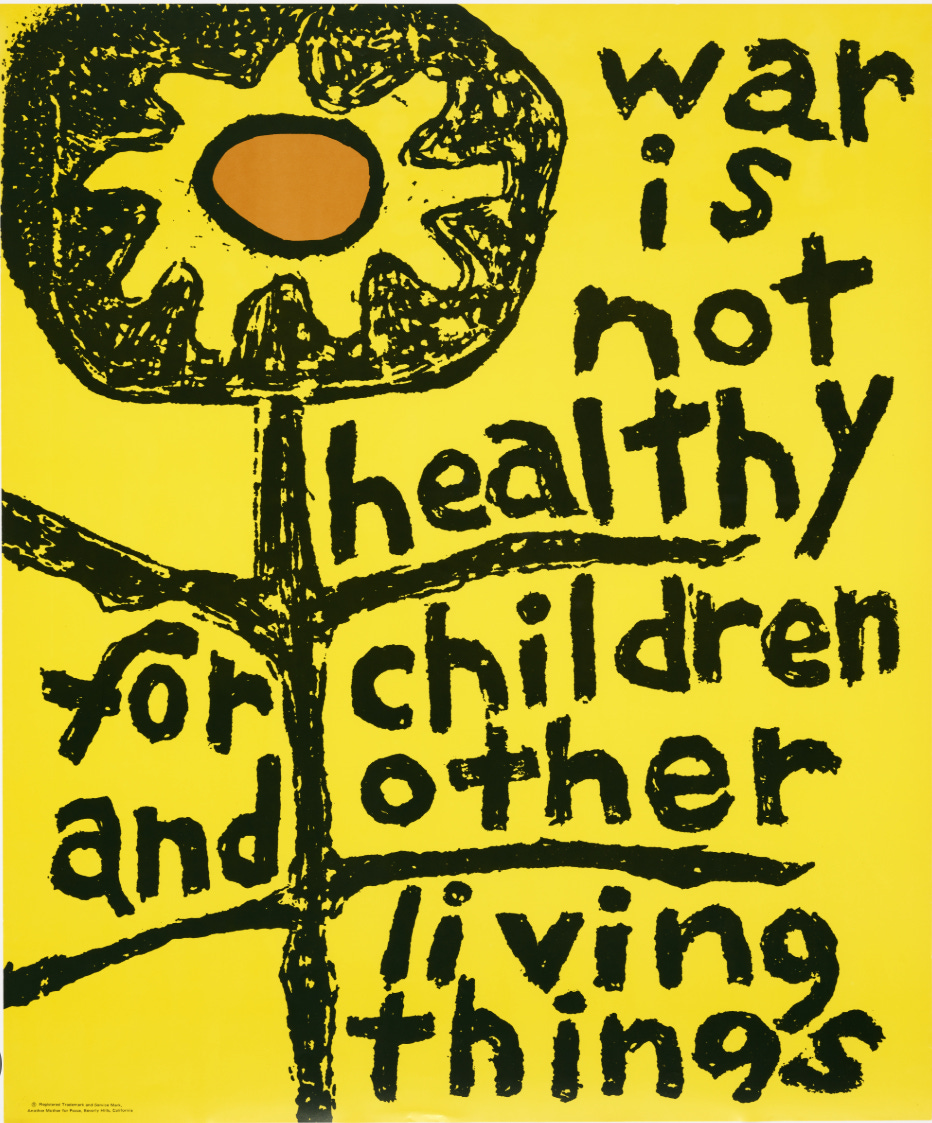
Meanwhile what has happened to the film industry is happening to the country. The uber-wealthy control all and are working to control more. The TechBrosCos have taken over each. To paraphrase that poster from the ‘60’s, their obsession with efficiency, scale, and predictable outcomes is “not healthy for children or other living things”. They have got us all addicted to the dopamine drip of endless scroll and superficial output. How can we create when our brain is on fire? The next gen has already seen their entry level starting positions given to the AI robots. Across many fields, people are being told they’re replaceable before they even get a chance to start. And they have us where they want us too; how will anyone ever demand higher wages or better working conditions, when they don’t even think they even land a job anymore?
The film industry knows how the powerful coverup the wrong doings of their own. Harvey Weinstein’s long reign of abuse would never have occurred if the talent agencies supported — or at least believed — the women that complained to them, their clients! The fact that Weinstein and others got away with such immoral behavior for so long essentially granted permission for many other powerful men to do the same. The message was clear: the powerful don’t care about others; the system is designed just for them.
Can you take any other message than that away from Epstein’s Island’s guest list? They see others as instruments for their own gratification and gain. Was Hollywood a test kitchen for that kind of impunity, or just an early warning that we ignored?
The gap between what the bosses and the workers earn has been expanding tremendously since the 70’s. It once was about 20x back then; in the 2000’s it hit close to 400x. What Jeff Bezos, Tim Cook, Bob Iger, David Zaslav, or Ted Sarandos earn in a hour exceeds what accomplished film professionals earn in a year. Would it really hurt them to earn less? Don’t they already have enough?
When they and their companies refuse to give producers health care, how can producers continue to want to supply them with projects? When they and their companies refuse to give producers reasonable commencement wages, why do they continue to work with them? When they and their companies refuse to protect the basic credit for the work they do, why do we persist in working with them? I speak of the producers here because that is what I have lived first hand, but a similar situation exist across all the professions and services. The CEOs and their flunkies get rewarded for making it worse for all the other members of the community that enable them.
What would a society that was designed for all participants look like? Surely, we’d have free education, health care, public transportation? Surely, we’d focus on sustainability and have deep commitment to renewable energy. Childcare, elder care, accessibility – these would be givens. Can you now extend that out to a cinema ecosystem that prioritized the art, artist, audience, and the sustainability of all that? It is hard to imagine because we haven’t really tried. It is hard to imagine because those with the power do not want you to see how achievable it might be. Our trade press focuses just on the business because it is beneficial to them to keep that the priority. Isn’t it any wonder that the most ambitiously authored work now rarely comes from America? That is not what this system is designed for.
Our cinema ecosystem and all the support structures and institutions prioritize the transaction above all else. We do not celebrate the more human aspects of context, connection, and consideration. We designed everything to be consumed and discarded. Just like if we showed the carbon footprint or true cost in the full life cycle of any product, sales would diminish and costs would climb. Hearts would break. Hope evaporate. Yet here is where the comparison between the bigger system and ours differ. Cinema is a deeply human process, art form and business. Them more we connect ourselves and each other to the process, the more cinema will flourish. I don’t have the data to back that one up for you today, but I can tell you I feel it in my bones.
Hollywood Warner Bros. still makes commercially successful critically-acclaimed films about weighty subjects, but virtually all of what Hollywood makes is designed to appeal to the relatively infantile. Whether it is sex, violence, fantasy, romance, or exaggerated stereotypes, the American culture industries feel the need to coat it all in the sugary sweet that get the young all hot and bothered in that good feeling way. We’ve abandoned a cinema for grown-ups. Just like our politics. We fan the flames of outrage. Just get them all excited and worked up. We no longer know how to have civil discourse, and we no longer know how to consider ambiguity or any complexity of significance in our creative expression.
When masked anonymous officers with seemingly limited training start shooting civilians in the face or while they are held to the ground, people say it is too much. They start looking a bit harder for root causes and what they can do about it. Some start seeing the connection between the platforms we use to get our services and how they are spending their resources to move us closer and closer to an anti-democratic authoritarian corrupt state. Some say too much. Some say we have to resist. Some say hit them where it counts – in their revenue and in the stock price.
Everyone is asking what they should do. What is the right thing? Be it as a citizen or a filmworker, how can we make our communities, our country, our industry better places? How can we assure what we care about most is still standing tomorrow and not bleeding out on the ground.
Scott Galloway has launched “Resist and Unsubscribe” – a month-long boycott of the TechBrosCos who have aided and abetted this administration’s assault on our communities.
“Americans are feeling powerless to thwart the Trump administration’s assault on our nation’s values. Praised by tech CEOs, surrounded by sycophants, and enriched by his return to the White House, the president’s
actions march on unchecked. Americans, however, have a powerful weapon that has been hiding in plain sight.
First, we must recognize that the president is unfazed by citizen outrage, the courts, or the media. He responds to one thing: the market. The most potent weapon to resist the administration is a targeted, month-long national economic strike — a coordinated campaign that attacks tech companies and firms enabling ICE — to inflict maximum damage with minimal impact on consumers. In sum, the shortest path to change without hurting consumers is an economic strike targeted at the companies driving the markets and enabling our president.”
I am participating. I started participating long before the boycott was launched; I couldn’t stomach being part of these platforms. But I can get even more serious about it and I know you can too. I hope you will join “Resist and Unsubscribe”.
But I also think we in the entertainment in the industry can and must go further.
The culture industries have been used to bring customers into these walled gardens. They use our work to then devalue us and the work we do. We do not participate in the success or information our work generates. They are using us to distract from the important issues at hand. We have to turn this around.
If the last ten years have shown us anything, it is that they who are in charge do not care about the art, artist, audience or the sustainability of any of it.
As we take part in “Resist and Unsubscribe” we also must think of the next steps we must take to make sure we put our priorities in the right place, to make sure our actions no longer aid and abet the things we oppose, and that we don’t continue to reward those that work to diminish the values we cherish: democracy, freedom of speech, freedom of opportunity, equality, and justice for all.
To me, the math is:
Hollywood = TechBrosCos = State Power
And the question is:
What are we going to do about it now?
You might also now want to go back and read this, where I wrote about why it is all so hard. It is good to stay grounded in the big picture after all.
The UNSUBSCRIBE movement can be powerful, but without listing the alternatives, it seems difficult. A "stop using *this*, start using *that*" would be inspiring and helpful.
So much is on target here. I would add a couple of issues. As you say, much of Hollywood’s current targeting is infantile, but even there the industry needs to play catch up. By the time today’s teenagers reach high school they have already witnessed more of the world’s wonders and horrors than previous generations could have imagined at the same age, including a worldwide pandemic. That’s why they often seem immune. Social platforms have left them virtually shockproof. As superheroes continue to exhaust themselves, audience fatigue has set in and the need for industry recalibration is real.
Also, the connection you make between politics and Hollwood’s woes is compounded by the same forces. The fragmentation of audiences and the birth of the 15-second performance are reshaping the entire business of attention. This bleeds into politics, news, education, relationships, and identity. It’s much easier now to take sides and play for an online team than to absorb the complexities of an issue when your favorite influencer can do the work for you. I don’t have the answers, but I think the light you shine on these predicaments is a great start.